ABOUT ME
At its core, my research concerns creativity and innovation in science, in engineering, and in architectural design. While conventional accounts often isolate the ‘cognitive’ or ‘socio-cultural’ dimensions of creativity and innovation, I argue for an integrated, dynamic model. This approach demonstrates how the ongoing interplay between cognitive processes and cultural-environmental contexts drives creativity.
A major focus of my research is conceptual and methodological innovation in science. In particular, I examine the development of novel modeling methods – conceptual, physical, and computational – and how they advance the epistemic aims of science. In model-building, representational and reasoning processes are entwined, and can lead to conceptual change as well as discoveries. I have examined such “model-based reasoning” practices in physics, in the bioengineering sciences, and in architectural design projects through richly detailed case studies.
My work brings together methodologies, conceptual frameworks, and theoretical analyses from philosophy of science, history of science, cognitive science, and social science. My analyses draw from four main sources: 1) empirical data from historical records, experimental studies, and ethnographic observations and interviews of researchers in laboratories; 2) concepts and analyses from various fields in the cognitive sciences; 3) literature on scientific practices in the science studies fields; and 4) my own theoretical analyses. To advance my interdisciplinary project, I have been working with research teams that over the years have consisted of philosophers, historians of science, psychologists, computer scientists, anthropologists, architects, cognitive scientists, and learning scientists. I have also worked together with science and engineering faculty to design and develop undergraduate and graduate learning environments that encourage and support creativity and innovation in contemporary interdisciplinary contexts.
Over the course of my research, the nature and challenges of interdisciplinary practice, itself, have become a subject of my inquires. My ethnographic studies in bioengineering sciences and architectural design include research on how interdisciplinary systems emerge and are shaped in practice. Among my current projects, I am examining what it means to live an interdisciplinary academic life, based on interviews with scholars across the sciences, engineering, arts, and humanities. This analysis aims to provide an in-depth study of how working across disciplines transforms researchers’ identities and the sociocultural structures in which they work, while advancing intellectual and practical aims.
My research has been supported by the U.S. National Science Foundation, the National Endowment for the Humanities, the Harvard Radcliffe Institute, the Dibner Institute (MIT), the Pittsburgh Center for the Philosophy of Science, the Netherlands Institute for Advanced Study, and the Fulbright Scholar Program.
I am Regents’ Professor of Cognitive Science Emerita at the Georgia Institute of Technology and Visiting Scholar, Learning Sciences, the Harvard Graduate School of Education. I am a member of the Mind, Brain, and Behavior Program, Harvard University. I have served as President of the Cognitive Science Society and on the Governing Board; on the Governing Board of the Philosophy of Science Association; and as Chair of Section L: Philosophy and History of Science of the American Association for the Advancement of Science, and on its Steering and Nominations Committees and as a Member of Council.
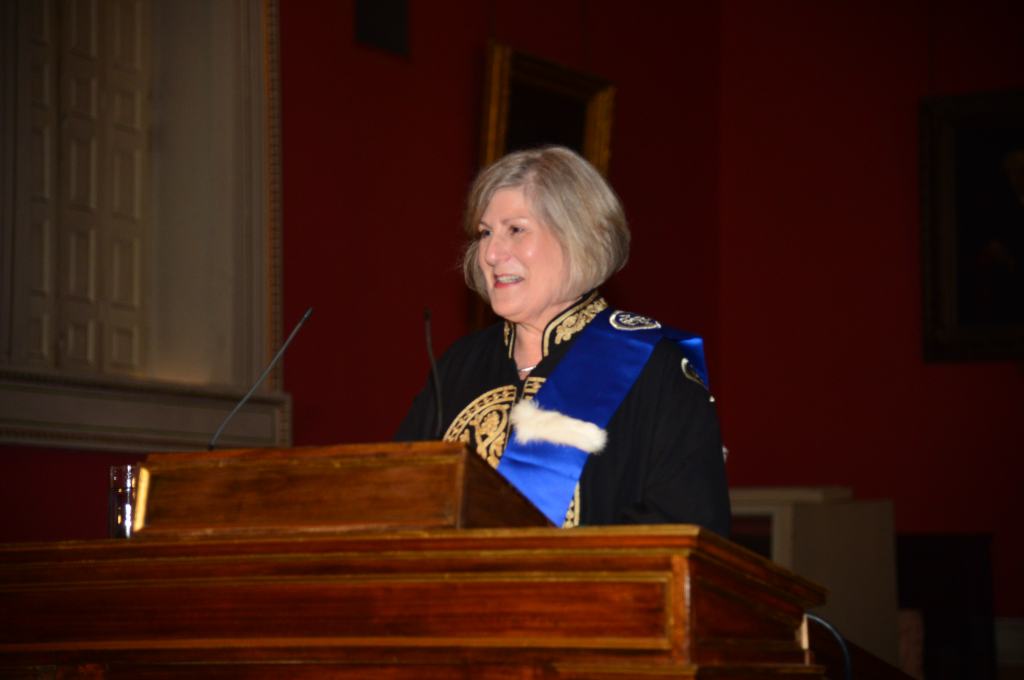
I am honored to have been elected a Fellow of the Cognitive Science Society, a Distinguished Fellow of the American Association for the Advancement of Science, and a Foreign Member of the Royal Netherlands Academy of Arts and Sciences. In 2011 I received the Inaugural Patrick Suppes Prize in Philosophy of Science from the American Philosophical Society and in 2012, along with my co-authors, the William James Book Award from the American Psychological Association. In 2019 I was awarded an Honorary Doctorate of Philosophy from the National and Kapodistrian University of Athens.
selected interviews
Favorite Poem Project Video, PBS Newshour feature
At its inception, the Favorite Poem Project put out an open call for people across the country to share their favorite poems. Eighteen thousand Americans—from ages 5 to 97, from every state, representing a range of occupations, kinds of education, and backgrounds—wrote to the project. From those thousands of letters and emails, the Favorite Poem Project created a series of short documentaries and anthologies. The project continues to create short films and educational resources, and to host readings, in order to document and encourage the sharing of poetry across the world.
Read the featured poem “The Sentence” by Anna Akhmatova here.
Learn more about the Favorite Poem Project here.
Rotman Institute of Philosophy Book Dialogue
2023
Presenting Interdisciplinarity in the Making: Models and Methods in Frontier Science

THINK Interview, KERA, Dallas TX, Creativity in Conceptual Change in Science
January 28, 2010
Prof. Nancy J. Nersessian discusses her research on creativity and innovation prior to her public talk “How do scientists think?” in the inaugural lecture series at the UT Dallas Center for Values in Medicine, Science, and Technology.
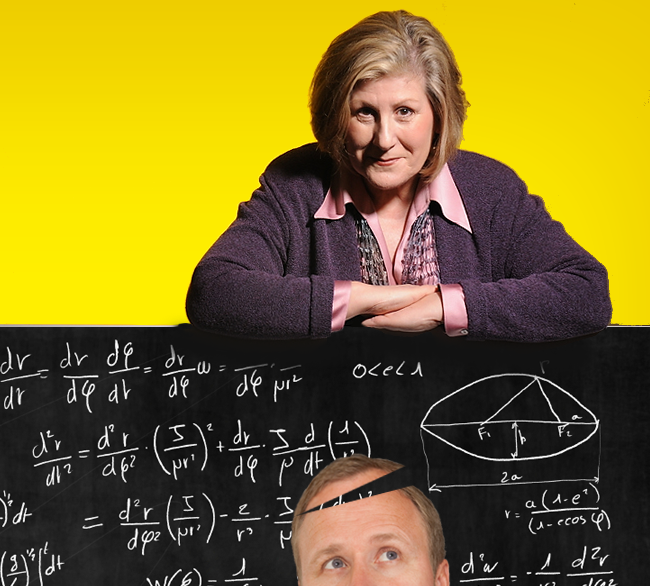
Image credit Gary W. Meek Photography, Inc.

Examining How Scientists Think
Published February 9, 2012
How does innovation happen? Where is the spark? We’ll talk this hour with Nancy J. Nersessian, Ph.D., a Regents Professor and Professor of Cognitive Science at the Georgia Institute of Technology. Nersessian will deliver the lecture “How Do Scientists Think? Creative Processes in Conceptual Innovation” at tonight’s installment of the UT Dallas “Creativity in a Technological Era” lecture series.
 Nancy J. Nersessian